Ifyouthinkyouknowtheirstory,thinkagain.
Now showing in cinemas across Nigeria & Ghana
In a small village in Northeast Nigeria, a community of mothers forge a path forward after the tragic events of April 2014 when their daughters were kidnapped by Boko Haram. The film follows four mothers over a farming season as they fight for their children and their futures. Mothers of Chibok paints a visceral portrait of courage, faith, and the enduring power of hope.
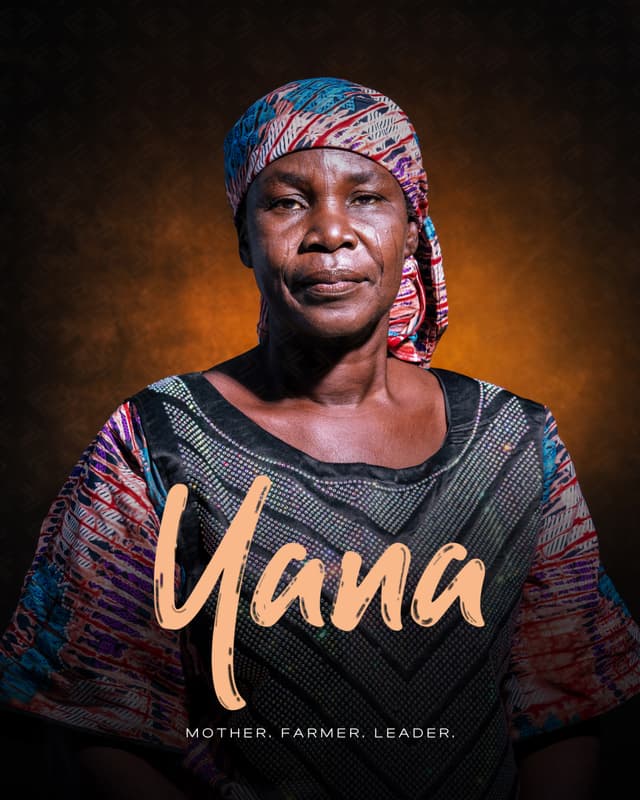
Yana Galang
Farmer/Community Leader
Yana's story is one of unwavering belief, the kind that endures long after the headlines fade. She is the heart of her community - a mother, a leader, and a woman who has refused to give up. Her daughter, Rifkatu, was among the 276 girls kidnapped from Chibok in 2014. And while others have returned, Yana is still waiting. And then, one day, she receives a phone call. One that could change everything.
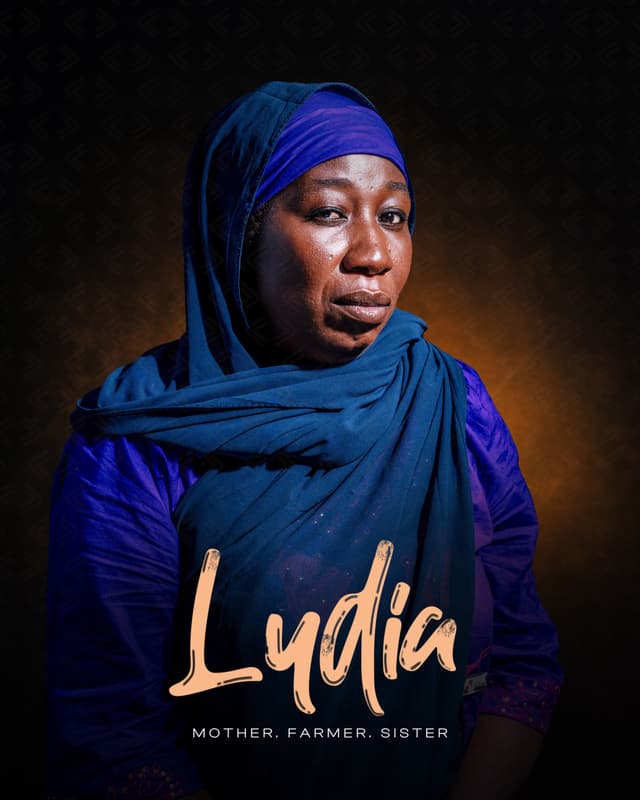
Lydia Yama
Mother/Farmer
Lydia, calm and reserved, is raising her children with a quiet yet fierce sense of purpose. Her younger sister was taken in the same school abduction, and the weight of that loss sits heavy on her. She listens, she adapts, and she shows us that resilience doesn't always shout. Sometimes, it simply carries on.
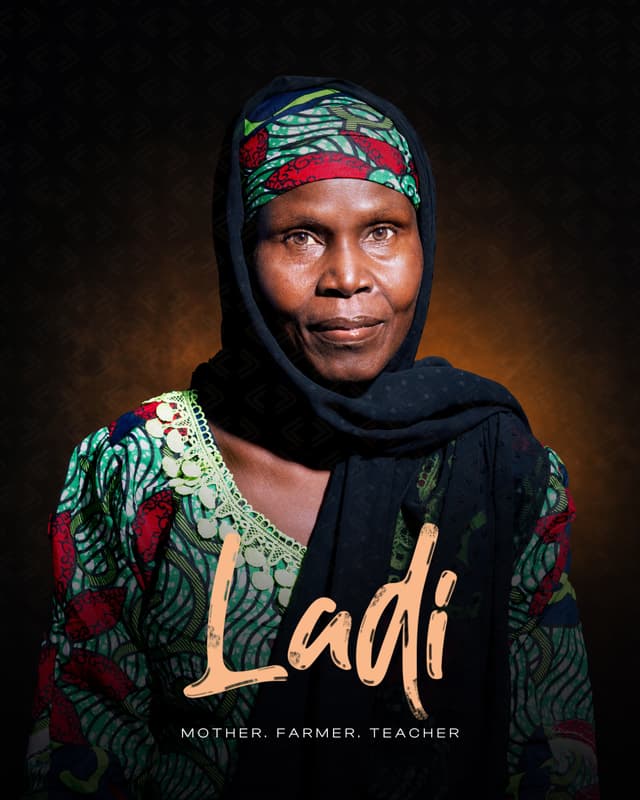
Ladi Lawan
Mother/Teacher/Farmer
Ladi's daughter, Aisha, was taken in the Chibok school abduction, yet every morning, Ladi shows up to teach other girls the value of education. She disciplines with love, nurtures with intention, and works her fields so her youngest children can stay in school. But grief lingers quietly beneath her strength, a shadow she carries through every lesson. How long can she keep pouring into other daughters, while her own is still lost in the forest, somewhere beyond reach?
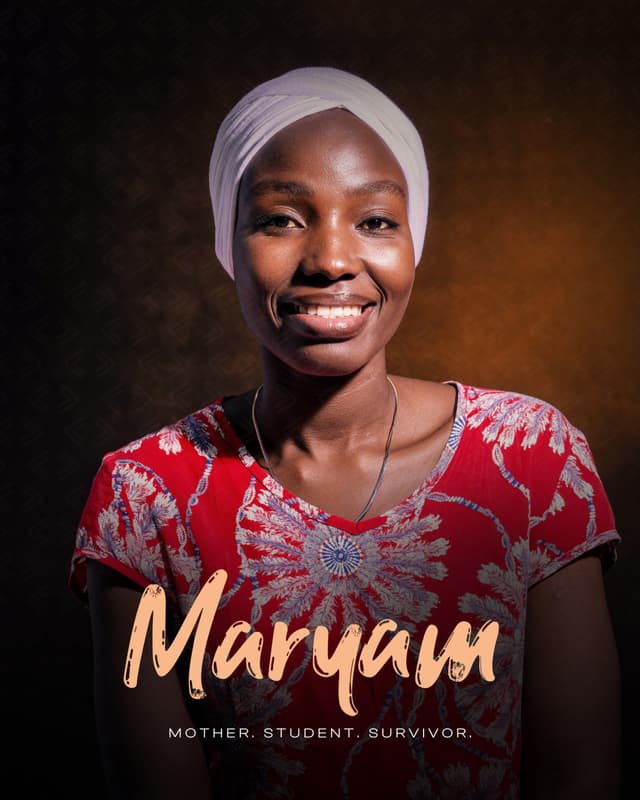
Maryam Ali
Mother/Student
Maryam is one of the kidnapped Chibok girls who made it back. She returned from captivity with a child, a boy named Ali, born of violence, rejection, and survival. Now enrolled in university, Maryam is fighting to reclaim her future, one class, one exam, one dream at a time. But back in the village, there's no one to care for Ali. And so Maryam faces an impossible choice: Will she walk toward the life she's worked so hard to build or return home to be the only mother her son has ever known?
From the Filmmakers
Meet the visionary creators behind Mothers of Chibok
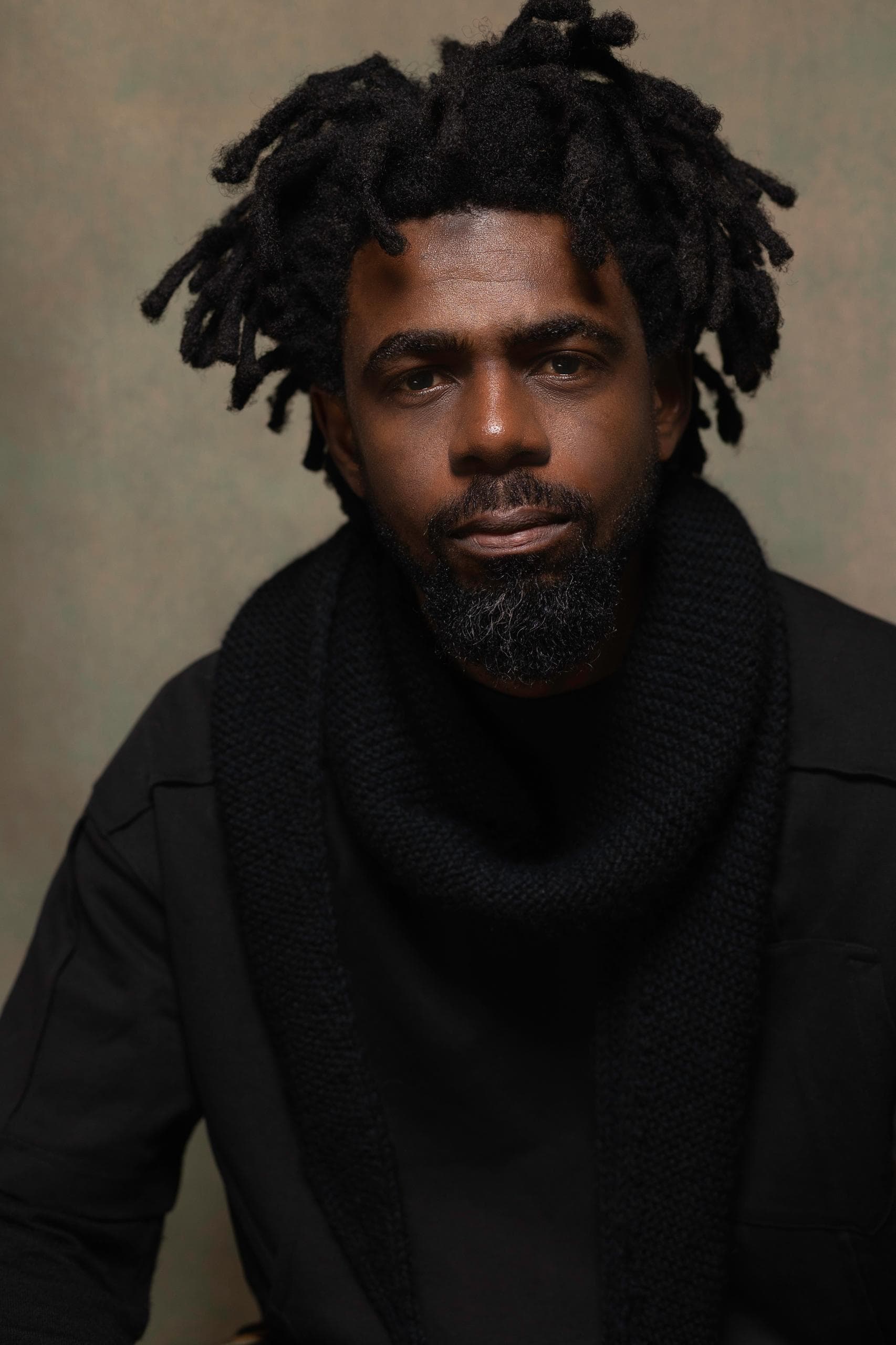
Joel 'Kachi Benson
Director
Joel 'Kachi' Benson is an award-winning documentary filmmaker whose work sits at the intersection of storytelling and social impact. Africa's first Venice Lion recipient for Immersive Storytelling, and Nigeria's first Emmy-winning documentary filmmaker, Benson is internationally recognized for elevating African stories to the global stage. Mothers of Chibok is his second feature film.
Watch Message
Joke Silva, MFR
Executive Producer
Joke Silva, MFR, is one of Nigeria's most distinguished actors and cultural leaders, with a career spanning over four decades across stage and screen. A five-time Africa Movie Academy Award (AMAA) winner and co-founder of the Lufodo Group,a premier entertainment solutions group, she has played a defining role in shaping Nigeria's creative industry. She also serves as Executive Producer on Mothers of Chibok.
Watch MessageCinema Listings
Catch "Mothers of Chibok" at a cinema near you
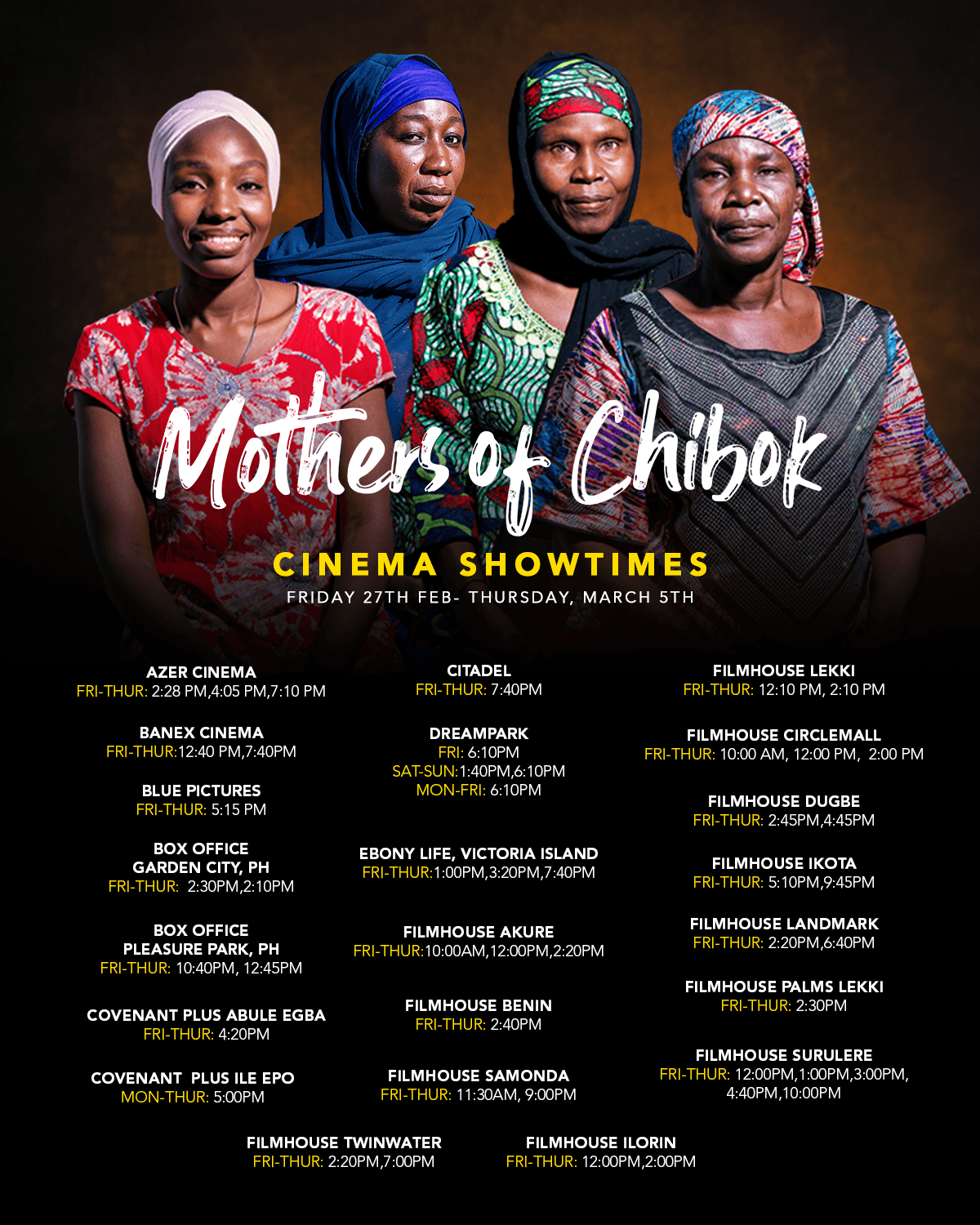

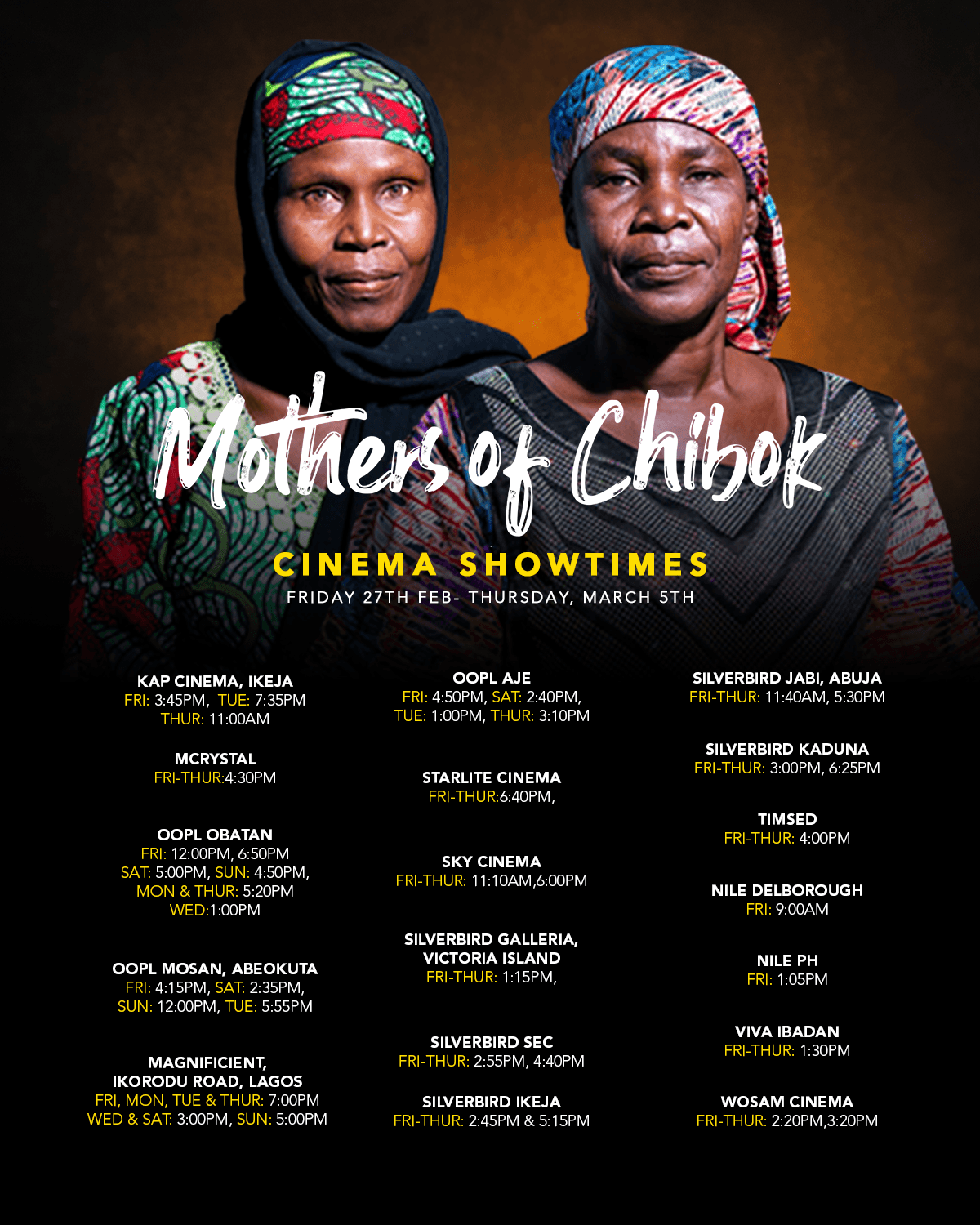
For group bookings and private screenings, please contact the cinema directly
Photo Gallery
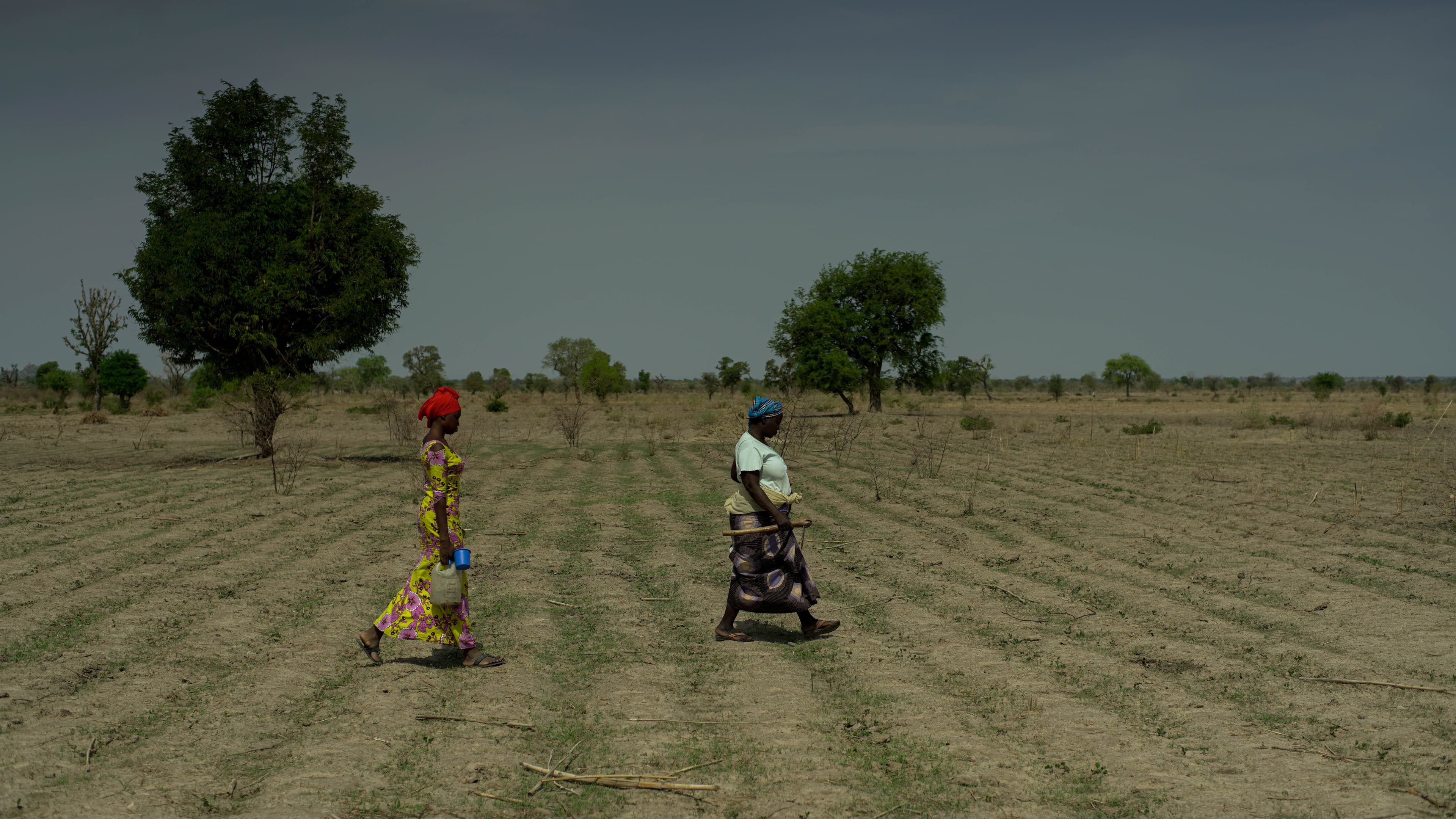
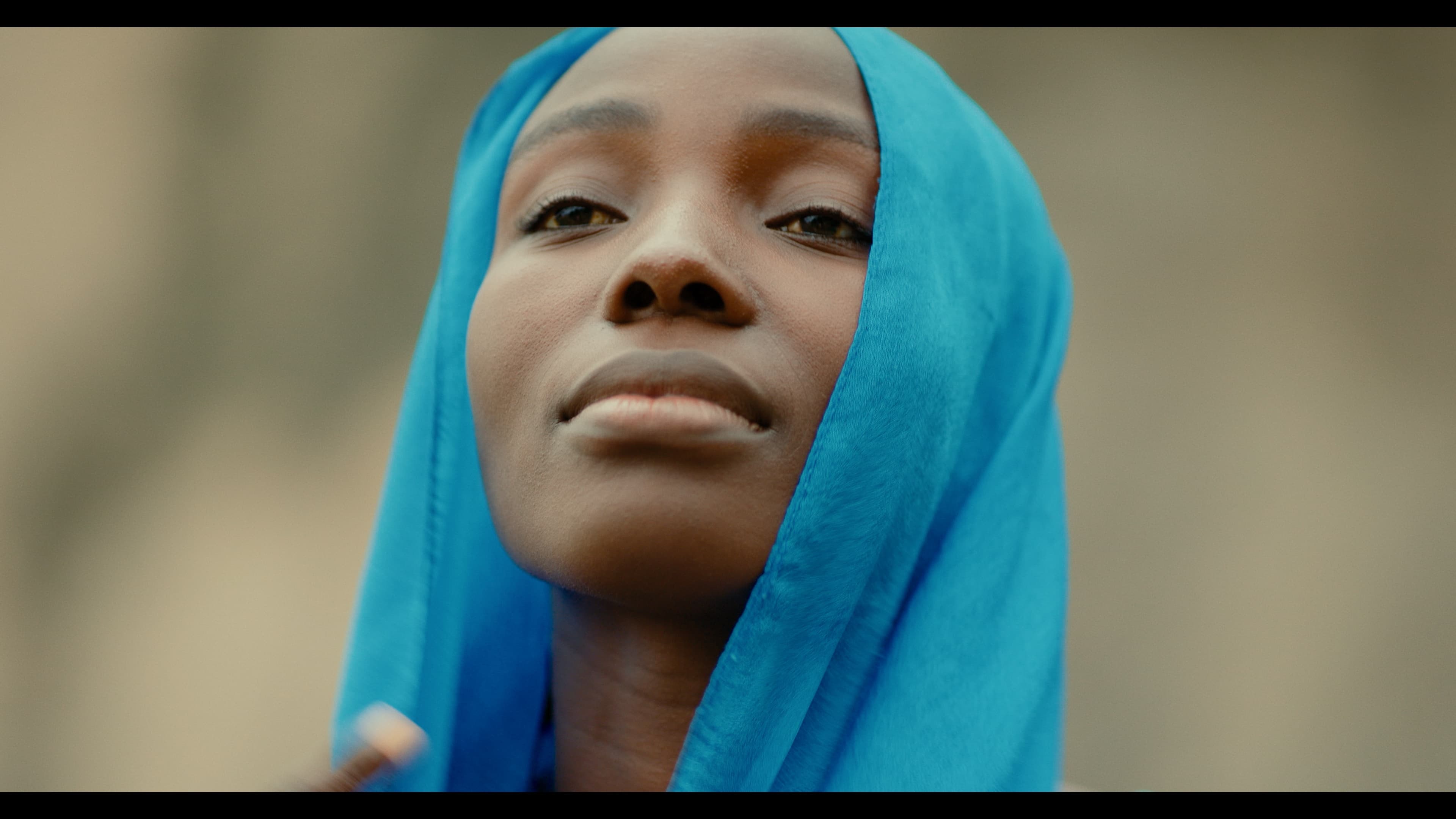
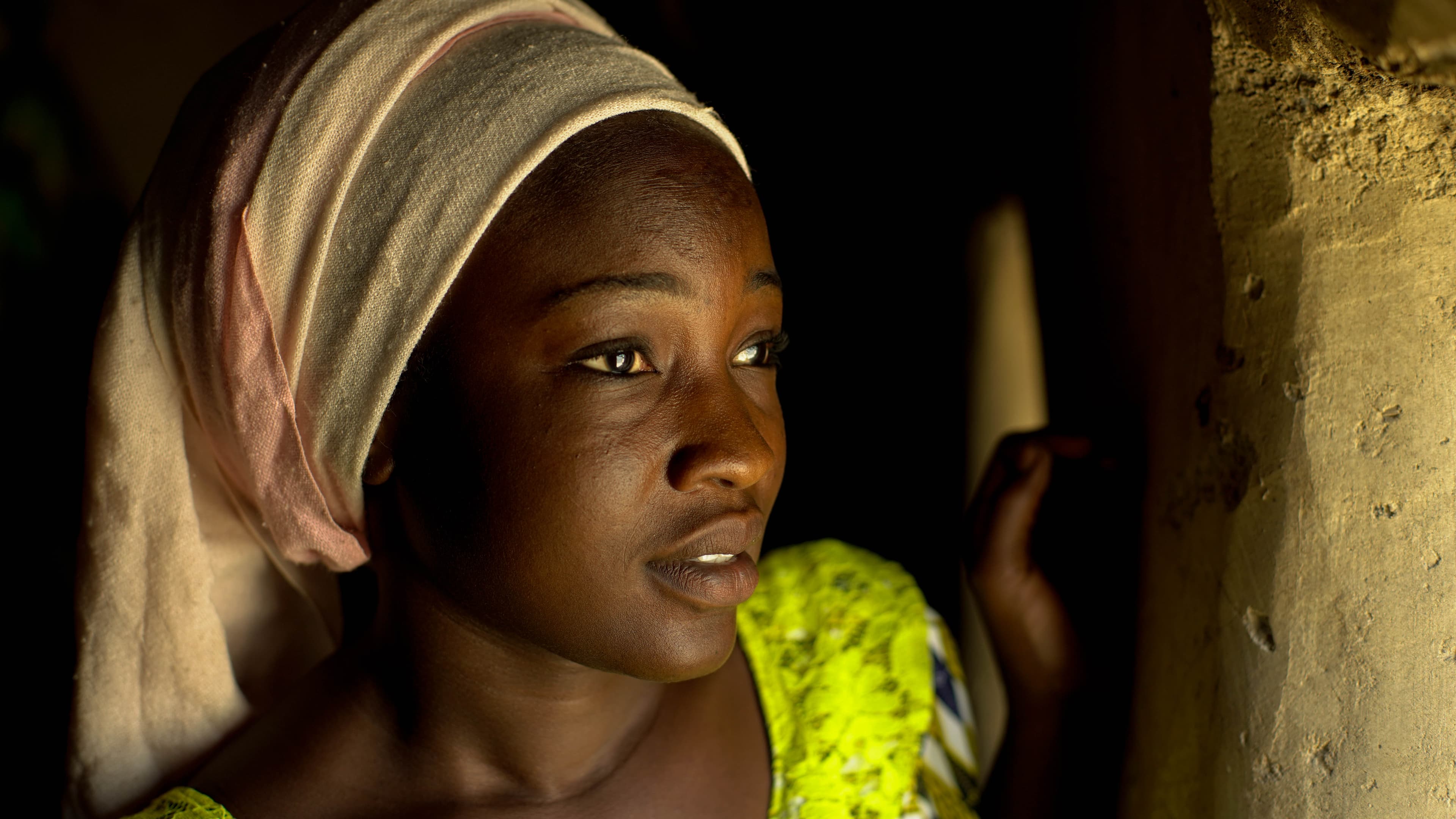

This year's winner of the AJD Award for Best African Feature offers a patient portrayal of what it means to persist in spite of terror, personal loss, and indefinite longing. Framed gracefully in natural light, the director measures the passage of time from seed to harvest, exalting these women who — undeterred by fear — continue to cultivate the land so they can educate their children. For this, and its delicate treatment of incorruptible love, the AJD Award for Best African Feature goes to MOTHERS OF CHIBOK directed by Joel Kachi Benson.
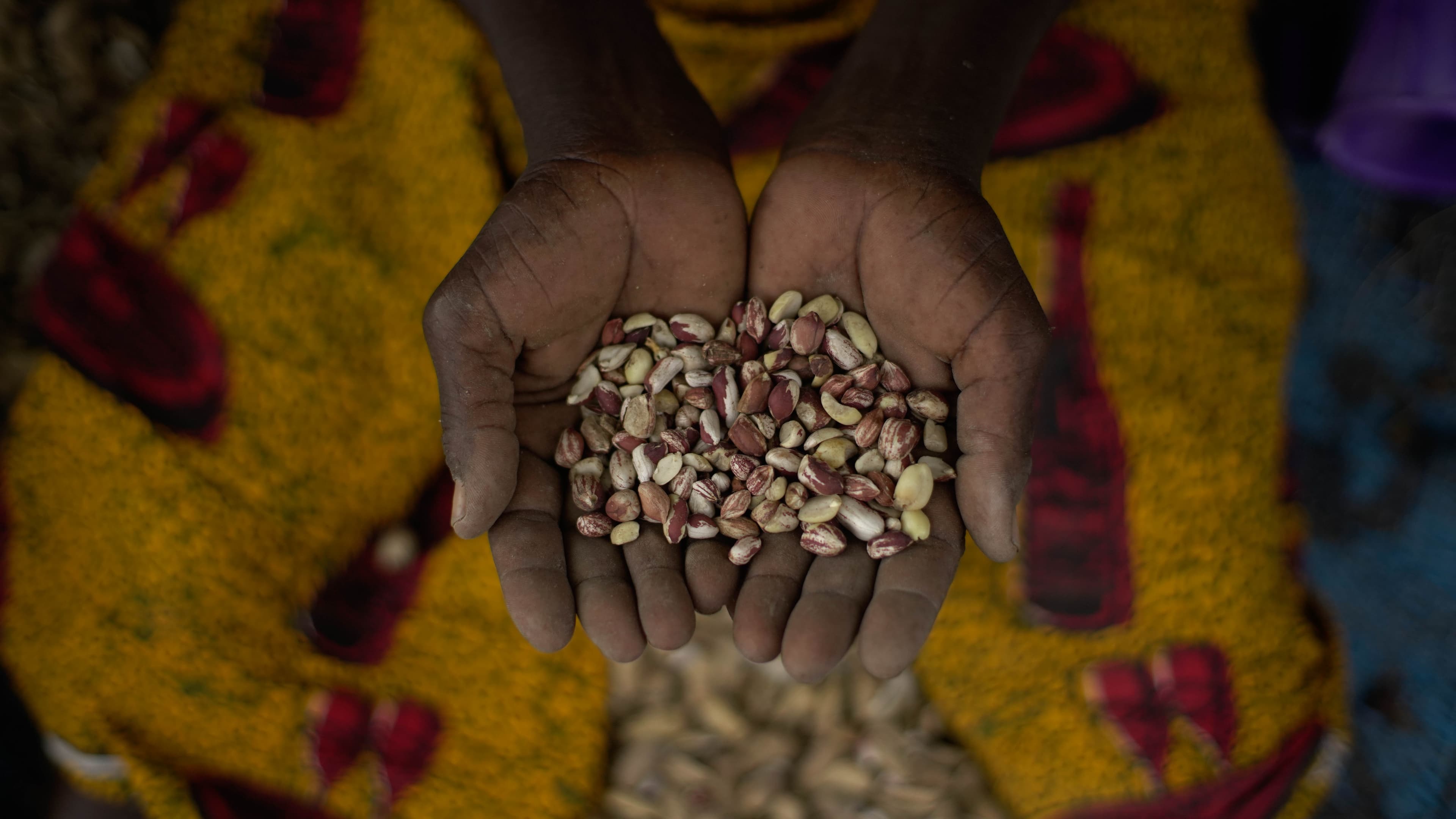
When the headlines faded, the mothers of Chibok were only left with their memories, their fields, and a resolute belief in the power of education. For them, sending their children to school is more than a goal. It is an act of quiet defiance. Farming is the means through which they make it possible. We are building on that resilience, to turn the stories from the film into tangible change. This is how the Chibok Peanut Initiative was born, with a specific goal to create a sustainable, community-driven peanut farming and marketing system that ensures the women keep the majority of the profits from their labour. With greater financial independence, they can send their children to school, invest in their futures, and break the cycle of poverty.
In our current pilot phase, the initiative is supporting nine dedicated women farmers in Chibok with access to improved seed varieties, fertilizers, herbicides, mechanized tools, and technical training from Agric experts.
During our baseline surveys, our results showed that in the previous season, with 465.2 kg of seeds planted across 8.56 hectares, the women harvested 88 bags of groundnut. After inputs and training, our 2025 mid-season assessment indicates that, even with a reduced seed volume of 342.4 kg, the women's total harvest is projected to yield 214 bags, which is an increase of over 140%. The pilot's success has shown us what's possible. With the harvest season approaching, immediate priorities include pre-harvest training, securing storage facilities, and acquiring equipment to protect quality, and prepare the peanuts for sale. A reliable off-taker is already in place to purchase directly from the women at fair market prices, bypassing exploitative middlemen.
Beneficiaries
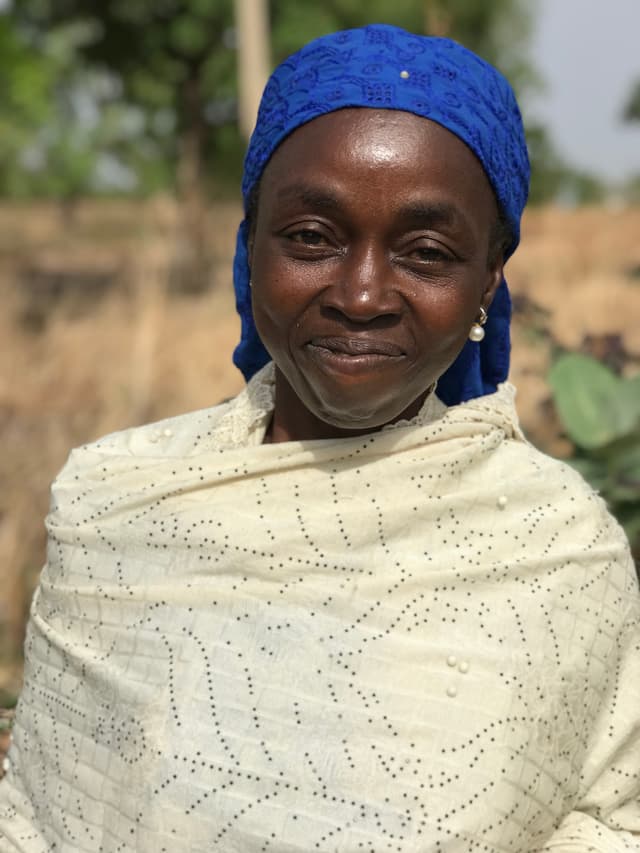
HANNATU DAUDA
Hannatu's life is a lesson in persistence. Relying entirely on farming, she has managed to keep her children in school since losing her daughter in 2014. The deep lines in her hands tell the story of countless seasons spent tilling the earth. For Hannatu, each harvest is more than food on the table but a step toward the future her daughter never got to see.
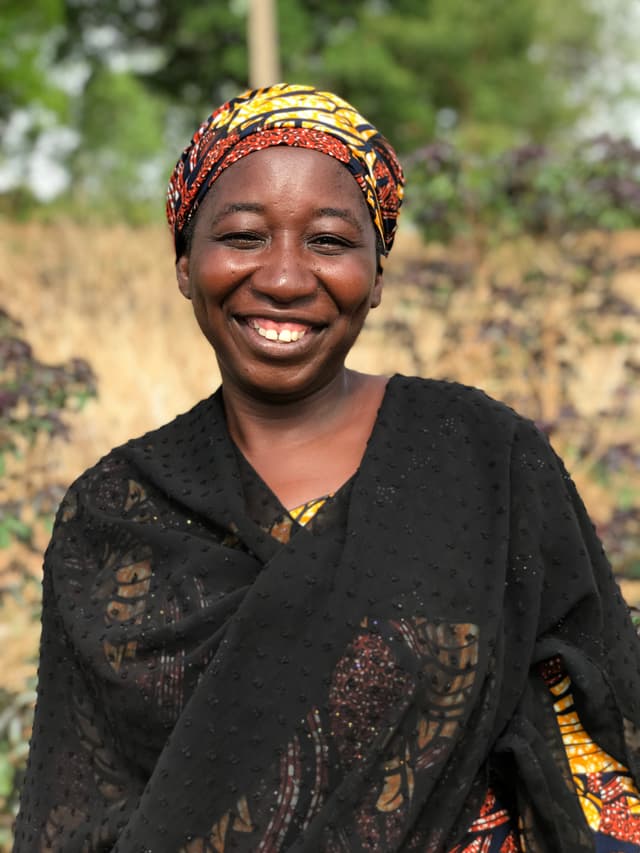
LYDIA YAMA
Lydia bears a double burden: she is separated from her husband and also represents her mother, who lost a daughter, Lydia's sister, in the abductions. Her days are filled with the unrelenting tasks of single parenthood, yet she carries herself with quiet dignity. Through it all, Lydia's focus remains on keeping her children safe, educated, and hopeful.
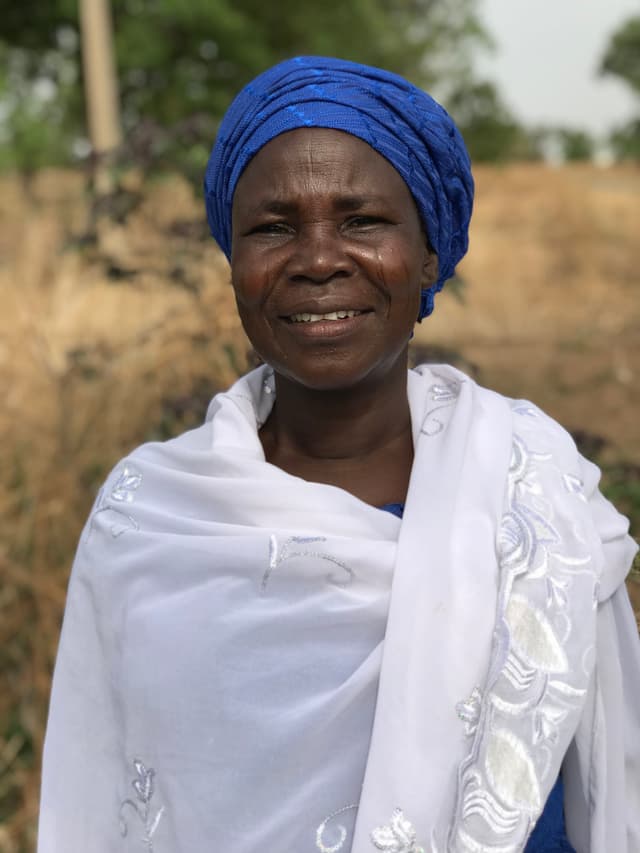
YANA GALANG
As the women's leader of the Parents Association of the Abducted Chibok Girls, Yana speaks not only for herself but for over 200 families that were affected by the tragedy. A farmer by trade, she works her land despite limited resources, determined to see her children through secondary school. Yana's strength lies in her ability to turn personal pain into collective advocacy.
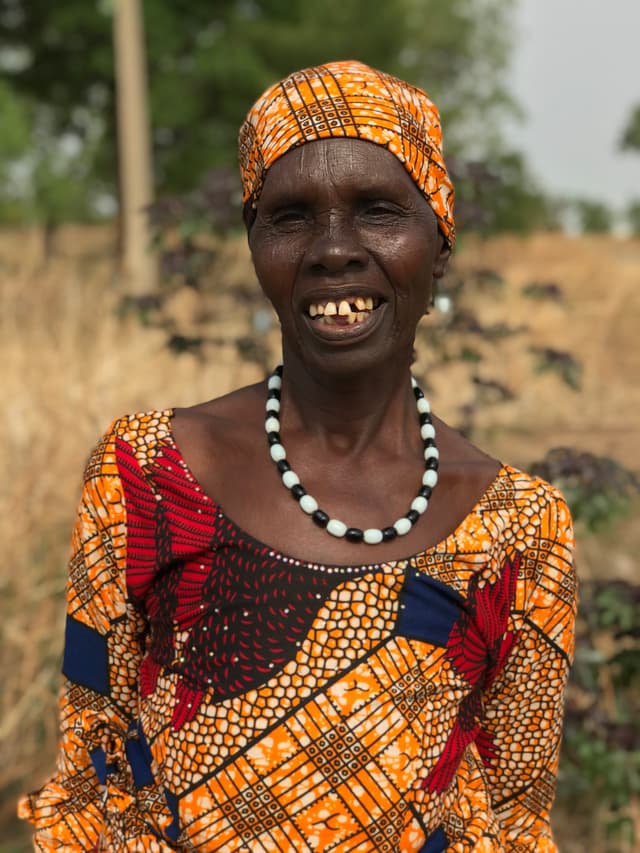
ESTHER MUSA
Esther's life revolves around the rhythms of the farm. After losing her daughter, she channels her energy into growing food to feed her family and sell a small surplus for other needs. She works in quiet determination, her resilience revealed not in grand gestures, but in the steady provision she brings to her household.
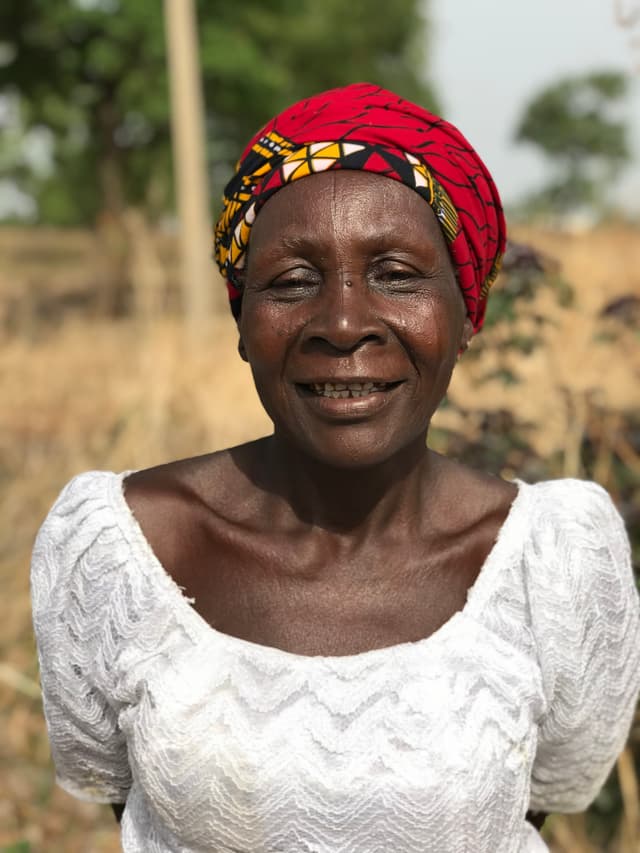
RIFKATU AYUBA
For Rifkatu, the fields are both livelihood and sanctuary. Every grain harvested is a product of her will to keep going after her daughter’s abduction. Her earnings are directed toward one goal: ensuring her children remain in school. She works under the sun with unyielding resolve, knowing that education is the one gift she can still give.
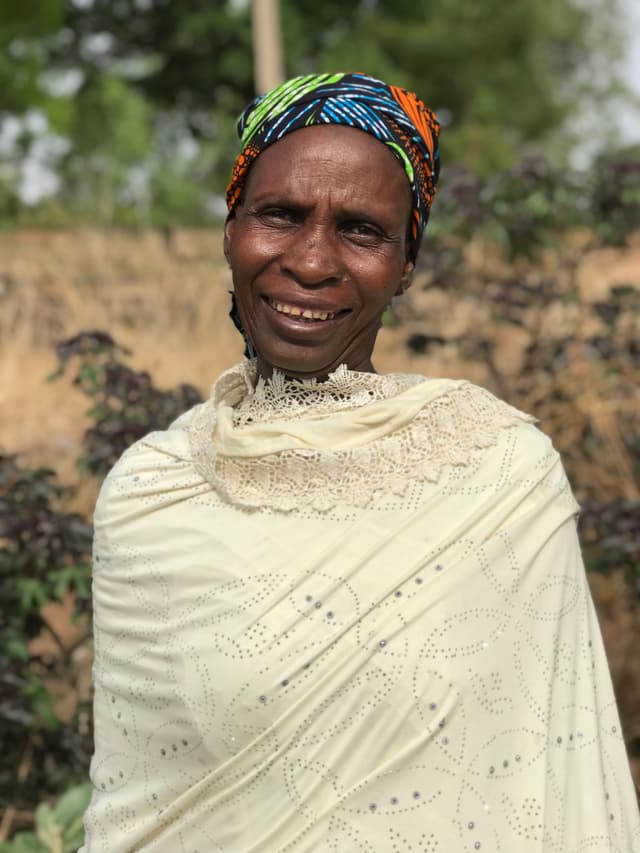
RUTH KWAKWI
Ruth's loss was compounded by tragedy — the shock of her daughter's kidnapping led to her husband's stroke and eventual passing. Left a widow, she shoulders every responsibility alone. She farms not only to survive, but to make certain her children's education does not end with grief. Her endurance is a quiet act of defiance against despair.
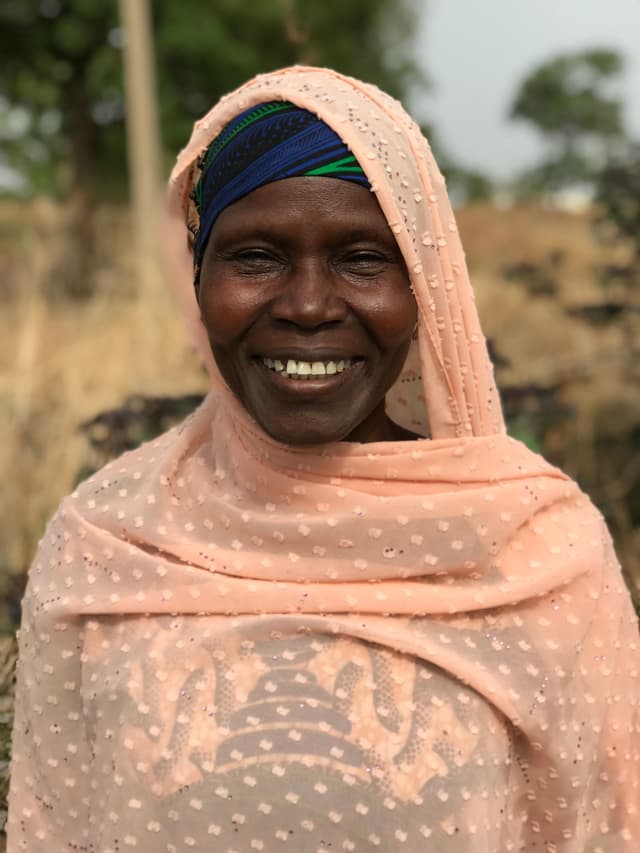
LADI LAWAN ZANNAH
Ladi lost her second daughter to the abductions. A teacher during the day and a farmer in the evenings, she balances two demanding roles to care for her six children. One is now in university, a testament to her relentless dedication. Ladi's story is one of stamina, sacrifice, and a fierce belief in the value of learning.
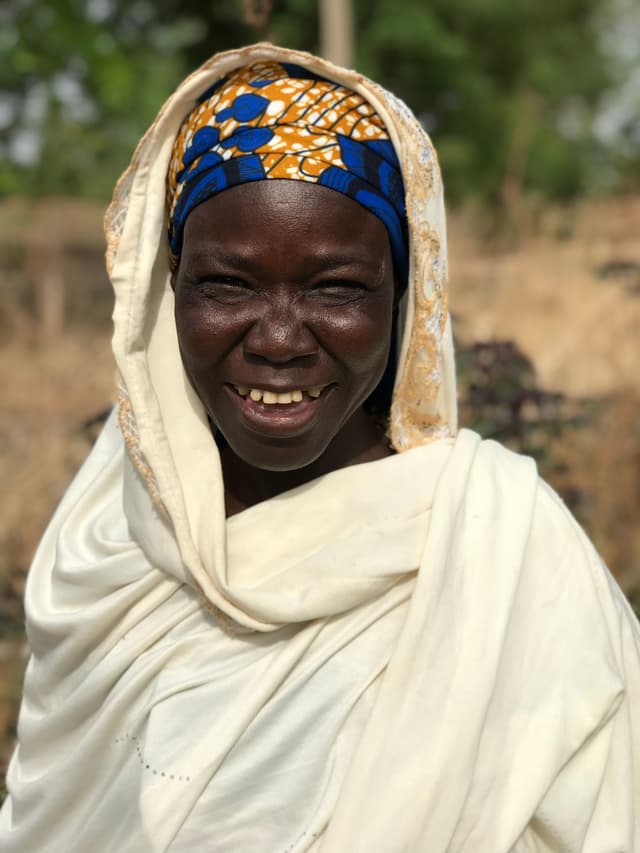
HADIZA YIDAU
Hadiza is a widow who farms to provide for her family. She works without external support, carrying both the weight of loss and the responsibility of sustaining her household. Her labor is backbreaking, yet each harvest reaffirms her determination to meet her children's needs.
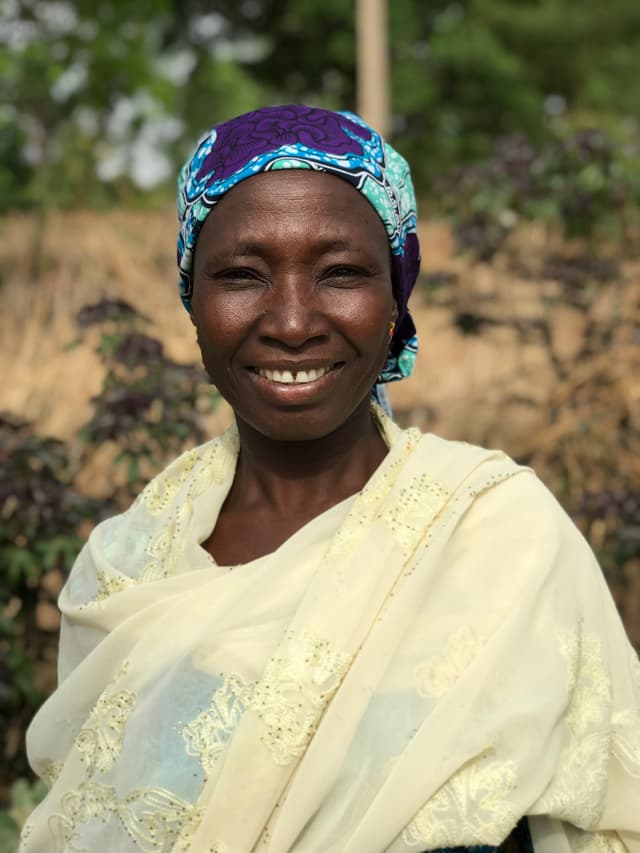
MARY SHETTIMA
With her husband battling a terminal illness, Mary became the family's anchor. She runs her farm with discipline and care, ensuring her children are fed and educated. Mary turns adversity into action, proving that strength can be as steady and nurturing as it is unyielding. These women are more than survivors. They are cultivators of hope, builders of futures, and living proof that resilience can take root even in the hardest ground.
Goals
Number of women supported
Bags of Peanuts
Hectares of farmed field
Timeline
Baseline Survey
Soil quality assessed, women trained in Good Agronomic Practices (GAPs), and provided with seeds, fertilizers, and herbicides.
Planting & Early Growth
Fields prepared and planted at 20 x 25 cm spacing; technical team monitors growth and GAPs compliance.
Mid-Season Assessment
Field checks conducted; adjustments made; updated yield projections based on plant health.
Pre-Harvest Training
Experts train women on drying, shelling, grading, and safe storage to maintain peanut quality.
Harvest & Storage
Peanuts are currently being harvested, dried, and stored with improved methods to minimize losses and preserve quality.
Final Off-Take
Bulk sale to pre-arranged buyer ensures fair prices; profits go directly to women for financial independence.
Why your support matters:
Real change happens when stories move people to action. By supporting this project, you stand with the mothers of Chibok as they fight for their children's future. There are two powerful ways to make a difference:
Donate
Your contribution provides women farmers with seeds, tools, and training, helping them earn an income and keep their children in school.

Host a Screening
Bring the film to your community, workplace, or campus. Every screening raises awareness, sparks dialogue, and mobilizes resources for the mothers.
Whether you give or gather, your support turns resilience into opportunity and ensures that Chibok is never forgotten.
Reach Out to Us
Want to learn more?
connect@mothersofchibok.com